
Engineering
Seismic Performance of Light Gauge Steel in California
Light gauge steel performs well under California's seismic demands for two main reasons: steel is strong and ductile relative to its weight, and a lighter building attracts lower seismic forces in an earthquake. Combined with engineered connections designed to code, that makes load-bearing light gauge steel a sound structural choice in seismic zones.
TESH Group5 min read
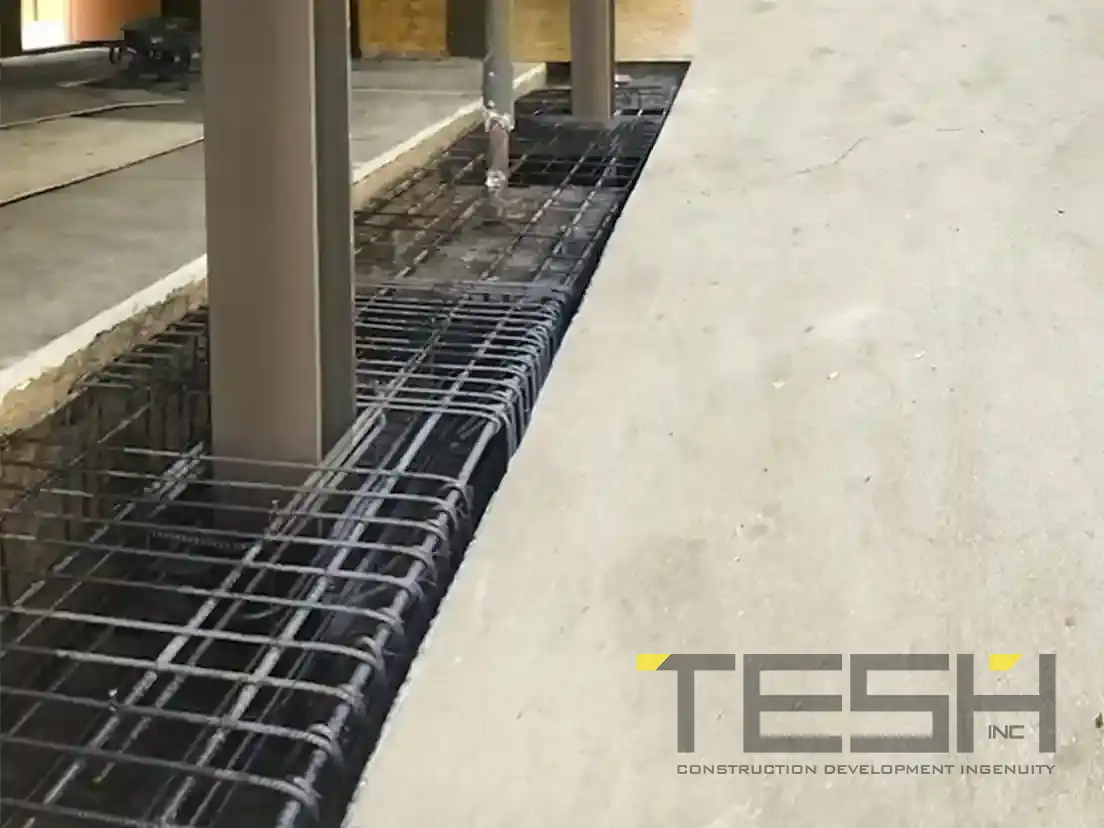
California builds for earthquakes, so any structural system has to earn its place under seismic loads. Light gauge steel does, and the reasons are straightforward physics plus sound engineering.
Why lighter buildings do better in earthquakes
Earthquake forces on a building are driven by its mass: the heavier the structure, the larger the inertial forces it must resist when the ground moves. A light gauge steel structure is lighter than many alternatives, so it attracts lower seismic forces in the first place, which works in the building's favor.
Strength, ductility, and engineered connections
Steel has a high strength-to-weight ratio and is ductile, meaning it can deform and absorb energy rather than fail brittlely. Seismic performance ultimately comes from the engineered system, the members, connections, and lateral bracing designed together, not from the material alone. That engineering is part of the platform.
Designed by engineers, built to code
Our structural engineering is handled in-house through NAXA Design, and every light gauge steel structure is engineered to the applicable California building and seismic codes for its location and height. We do not publish blanket performance ratings, because seismic performance is specific to each engineered design.
Frequently asked questions
- Is light gauge steel earthquake-resistant?
- Light gauge steel is well suited to seismic design: it is strong and ductile for its weight, and a lighter structure attracts lower earthquake forces. Actual performance comes from the engineered system designed to California seismic code.
- Is steel framing better than wood in an earthquake?
- Both wood and light gauge steel can be engineered to meet California seismic code. Steel's advantages are its high strength-to-weight ratio, its ductility, and the lower seismic forces that come with a lighter structure; final performance depends on the specific engineered design.
- Is light gauge steel allowed in California seismic zones?
- Yes. Load-bearing light gauge steel is a code-compliant structural system and is engineered to the applicable California building and seismic codes for each project.
Build with light gauge steel